
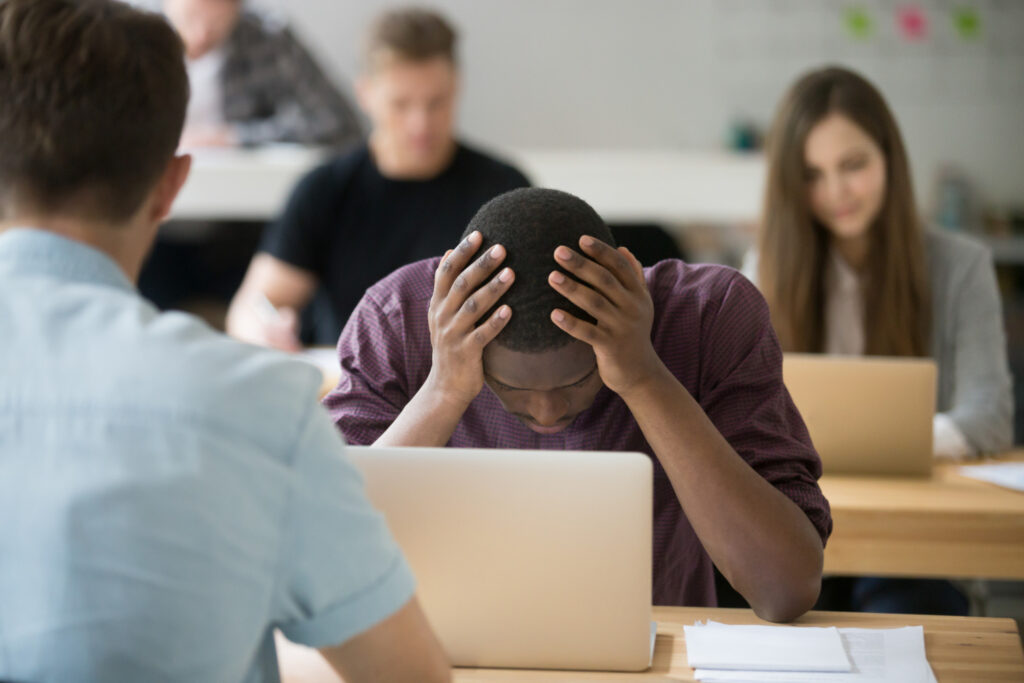
Academic performance does not develop in isolation. Students learn within social environments shaped by classmates, friends, and broader peer groups. These relationships influence motivation, study habits, and even long-term goals. Peer pressure often carries a negative reputation, yet its impact can be both constructive and harmful. Understanding how peer influence shapes academic outcomes allows students, parents, and educators to respond thoughtfully. Social dynamics can either strengthen achievement or quietly undermine it.
Positive Peer Influence and Motivation

Peer pressure is not always destructive. In many cases, students push one another toward higher standards. When surrounded by motivated classmates, individuals often raise their own expectations. Study groups can improve accountability. Friends who value punctuality and preparation encourage similar behavior. Healthy competition may inspire effort. Positive peer environments help ensure that academic ambition feels normal rather than unusual. Students begin to associate achievement with belonging. This association reinforces consistent effort and goal-setting.
Negative Pressure and Distraction
Peer influence becomes problematic when academic focus loses priority. Students may feel pressure to prioritize social activities over study time. In some groups, strong academic performance may be viewed as excessive or isolating. Fear of standing out can lead to reduced participation in class or reluctance to excel. Distractions also increase when peers normalize procrastination. If friends regularly delay assignments, individuals may follow. This pattern lowers collective performance. Over time, small compromises accumulate and impact grades.
The Role of Social Identity
Adolescents and young adults often tie identity to peer acceptance. Academic choices sometimes reflect group norms rather than personal interest. If a social circle values specific subjects or career paths, members may feel compelled to conform. Alternatively, students may avoid certain fields to maintain alignment with peers. This influence shapes course selection and extracurricular involvement. It can limit the exploration of talents that do not match group expectations. Encouraging self-awareness helps ensure that decisions reflect personal strengths rather than social pressure.
Emotional Impact and Stress

Peer pressure influences emotional well-being. Competitive environments may increase stress and comparison. Constant benchmarking against classmates can create anxiety. Students may feel inadequate if others appear more accomplished. Conversely, supportive peer networks reduce stress. Shared study sessions and open discussion create reassurance. Emotional climate within peer groups plays a significant role in performance. Calm confidence supports sustained learning.
Online Peer Influence
Social media expands peer impact beyond physical classrooms. Students observe classmates’ achievements, internships, and academic milestones online. Curated presentations of success can distort perception. Students may compare their progress to incomplete narratives. Digital environments also amplify distraction. Group chats and notifications interrupt concentration. Managing online exposure helps ensure a healthier academic focus. Limiting digital comparison reduces unnecessary pressure.
Strategies for Balanced Influence
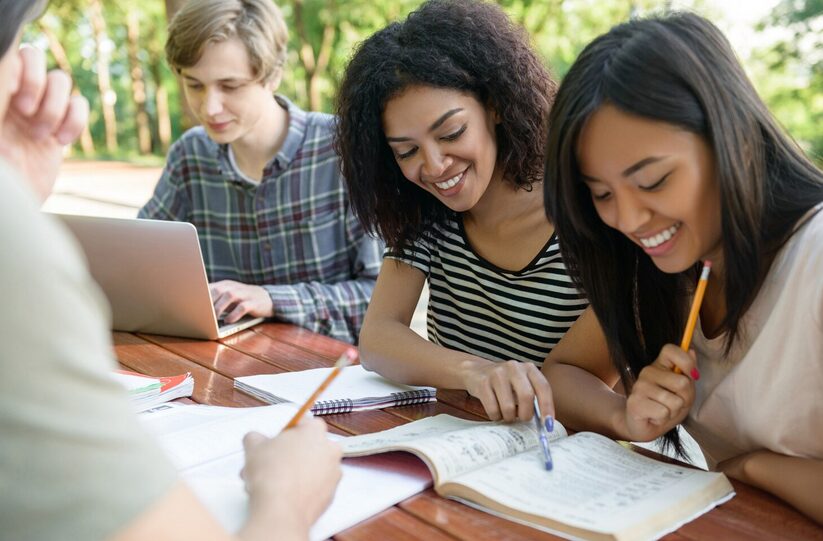
Students benefit from evaluating their social environment. Surrounding oneself with peers who respect academic goals strengthens performance. Setting personal priorities reduces susceptibility to negative influence. Clear goals create internal stability. Educators and parents can support open conversation about peer dynamics. Awareness helps students recognize subtle pressures. Encouraging diverse friendships broadens perspective. Exposure to different ambitions and strengths fosters balanced growth. Academic success requires both independence and community. Balanced peer relationships contribute positively without dominating decision-making.
Peer pressure significantly shapes academic performance through motivation, distraction, identity influence, emotional climate, and digital comparison. While positive peer environments can enhance achievement, negative dynamics may reduce focus and confidence. Awareness and intentional relationship choices help students maintain personal goals while benefiting from supportive social networks. Academic success thrives when influence aligns with individual purpose rather than conformity.…

 When one wins a scholarship, either national or international, they will have a higher possibility of getting involved with people with similar interests and also people who win similar scholarships. This situation profoundly affects the lives of the awardees since they will have a higher chance of developing stronger networking opportunities. The networks are indeed their biggest help when the time comes for them to apply their knowledge in the